KāVya: Poetry in Motion
Bharatanatyam Advanced student Aanya Govindu shares her thoughts on Silambam’s recent performance at the Hobby Center
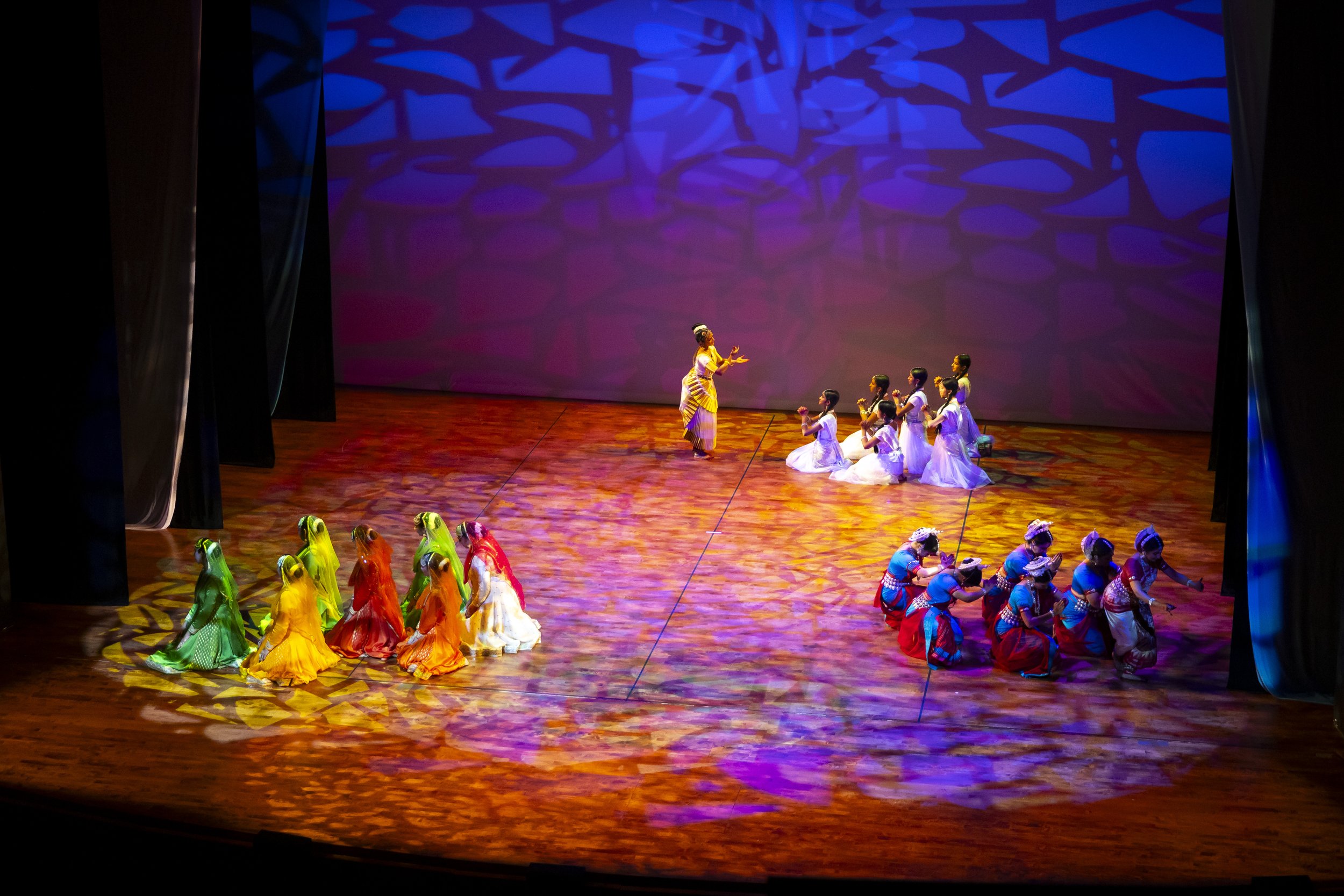
Kavya: Poetry in Motion was an eye-opening experience that brought poetry to life through movement and dance. The program explored six themes: New Beginnings, Wanderlust, Nostalgia, Womanhood, Loss, and Inclusion - each expressed through a thoughtful blend of dance and verse.
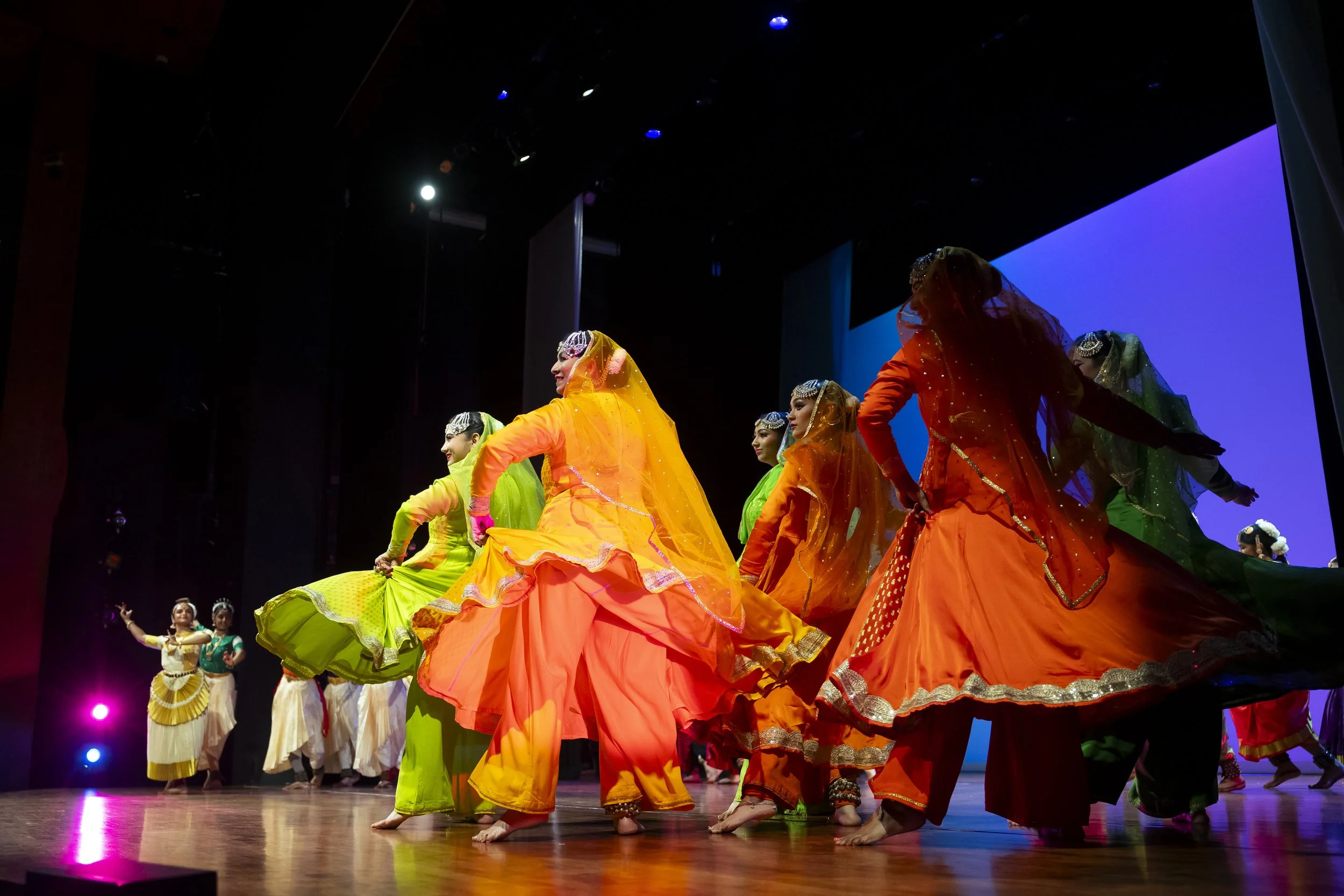
The performance incorporated a rich variety of classical Indian dance forms, including Bharatanatyam, Kuchipudi, Mohiniyattam, Odissi, and Kathak. Within each theme, three to five poems were interpreted, drawing from diverse styles and languages such as Japanese haiku, Dutch excerpts, and Malayalam literature. Despite these differences, the transitions felt seamless, and each piece found a natural and meaningful expression through the choreography.
The Wandering Singers
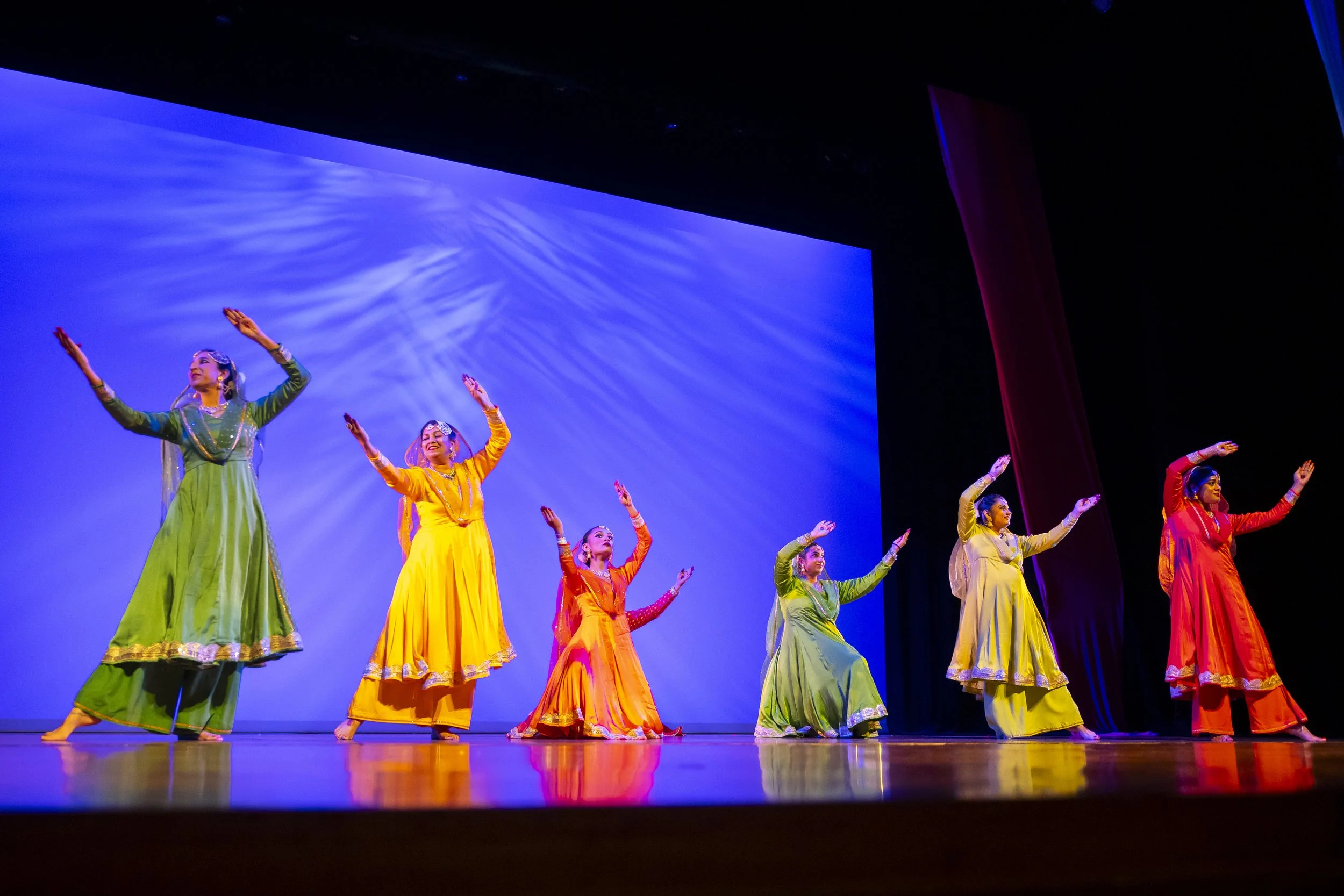
One particularly striking moment came during the Womanhood segment, which featured Still I Rise by Maya Angelou. Through powerful and expressive movements, the dancers embodied the poem's message of resilience, illustrating how one can rise again despite failure.
Another memorable piece was The Wandering Singers by Sarojini Naidu, a 20th-century Indian poetess. The poem expressed the idea that life is a continuous journey full of movement and change, without attachment to any one place. The dancers reflected this beauty through graceful, flowing steps and constant motion across the stage, conveying a sense of freedom and joy in traveling. At one point, the Bharatanatyam dancers even formed the image of a train, which truly enhanced the poem's deeper meaning of movement and transition.
Punishment In Kindergarten
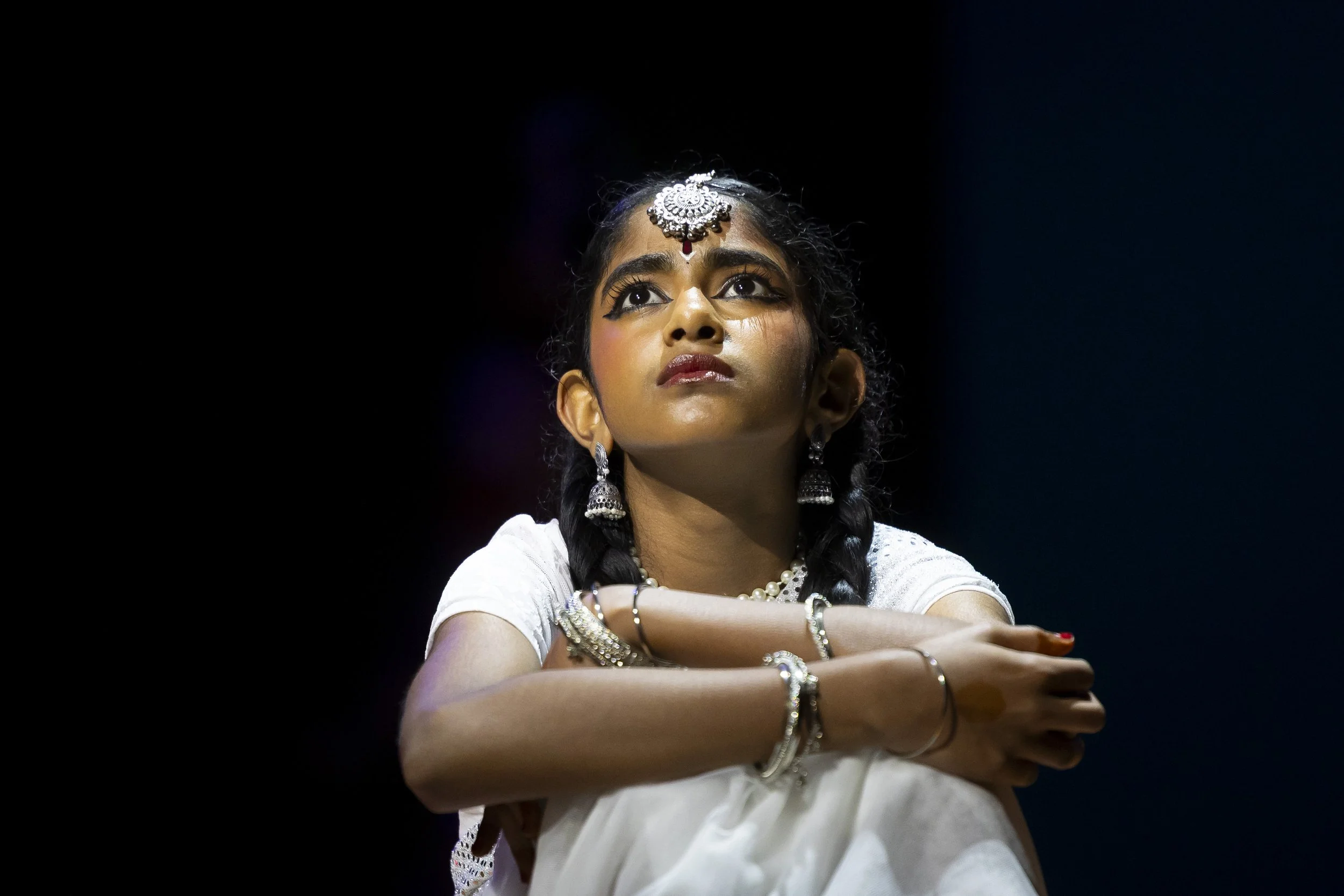
One final performance that stood out to me was part of the Nostalgia theme: Punishment in Kindergarten by Kamala Surayya, a 20th-century Indian English poet. The piece portrayed the experiences of a kindergartener who is expected to conform and blend in, yet continues to feel out of place. This tension led to a strong sense of sadness and isolation, which was powerfully expressed through both movement and facial expressions in the performance. I found this piece especially resonant, as the choreography deepened my understanding of the poem's emotional core and underlying message. More broadly, it demonstrated how dance can interpret poetry in a way that uncovers layers of meaning and feeling that might not be immediately apparent through words alone.
Overall, I truly enjoyed this program and am grateful that I had the opportunity to attend it. It was both inspiring and thought-provoking, and I hope to experience more performances like this in the future.
Thank you, Silambam, and thank you to all the people who were involved in Kavya: Poetry in Motion for the time, effort, and creativity that made this program meaningful. Thank you.